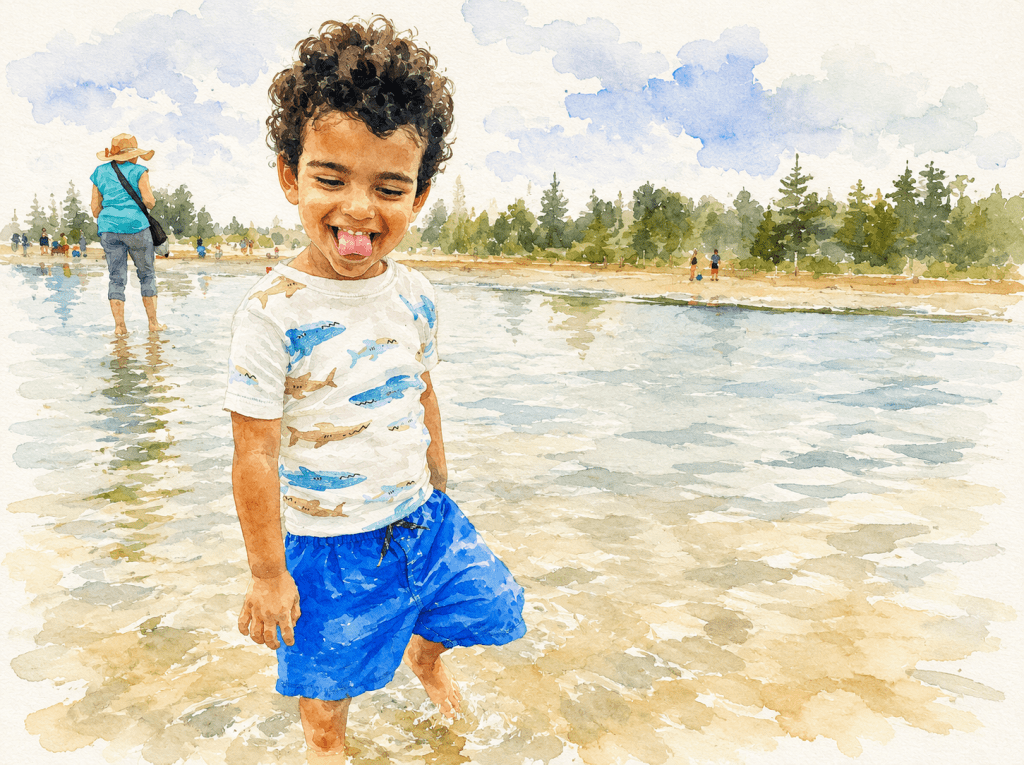
Raising a thoughtful, well-rounded boy can be both rewarding and challenging. Boys develop social and emotional skills at different rates. Some may be deeply absorbed in hobbies like video games before they become interested in broader social relationships. Others may be naturally energetic or impulsive, making it harder for them to focus in certain situations.
No matter what your son is like, here are some tips to guide him towards becoming any empathetic, respectful, and confident young lad.
1. Give him responsibility.
My 4yr old boy, Kyle, knows it is his responsibility to bring his plate and cup to the kitchen sink after every meal. He also knows that it is his duty to ensure that his change of clothes is packed in his sleepover bag when going to his grandma and grandpa’s place. These are some of the many little things I encourage him to take on.
Finishing tasks and following directions are skills that are often slow to develop in boys. Practice helps. A sense of responsibility will serve him well in school and ultimately as he grows into being an adult. Added Bonus: Your home life will run more smoothly too.
2. Don’t let him hold back his emotions.
Kyle is an incredibly emotional little boy. It doesn’t take much for something to upset him, and that’s okay. When those moments happen, I let him express what he’s feeling—as long as he isn’t hurting himself, someone else, or becoming completely out of control. Once he’s had time to calm down, we sit together and talk about what happened, what he was feeling, and why he thinks he felt that way.
His school reinforces this approach too. Each day, his teachers encourage the children to identify and share their emotions, whether they’re feeling happy, sad, angry, excited, or worried. Helping children put words to their feelings gives them the tools to understand themselves better.
I truly believe that when children learn to recognize, express, and manage their emotions from an early age, they are better equipped to navigate life’s challenges. They’re more resilient, communicate more openly, and often become more empathetic because they’re able to recognize and respond to the emotions of others.
3. Show him physical affection often.
Girls aren’t the only ones who need to be held and cuddled. Your son needs the occasional hug from his parents too to help him feel safe and secure.
As boys grow older, many become more self-conscious about showing affection, especially in front of their friends. They may be less comfortable with hugs or kisses in public, even if they still value feeling loved and supported. Respecting your son’s boundaries while continuing to express affection is important. That might mean a quick hug in private if he’s comfortable with it, a hand on the shoulder, a high-five, a fist bump, or simply spending quality time together.
The goal is to ensure he knows he’s loved in ways that match his growing independence and personal preferences.
4. Encourage music in his life.
Kyle is now learning to play the keyboard, just like I was encouraged to as well by my parents at his age.
Learning to play a musical instrument can give your son a wonderful sense of accomplishment. Mastering a new song takes patience, practice, and perseverance, helping him build confidence with every milestone he reaches.
Research suggests that music lessons can support a child’s cognitive development – improving areas such as memory, attention, and certain aspects of language and reasoning.
More importantly, music provides an outlet for self-expression. Whether he’s learning the piano, guitar, drums, or violin, playing an instrument can become a lifelong source of enjoyment, creativity, and personal growth.
5. Help him develop his social skills.
Most boys don’t form close intimate friendships as easily as girls and need our guidance.
As a parent, you can help your son develop strong friendships by creating opportunities for positive social experiences. Arranging playdates, encouraging him to take turns, share, listen, use kind words, and consider how others are feeling can help him develop important social skills.
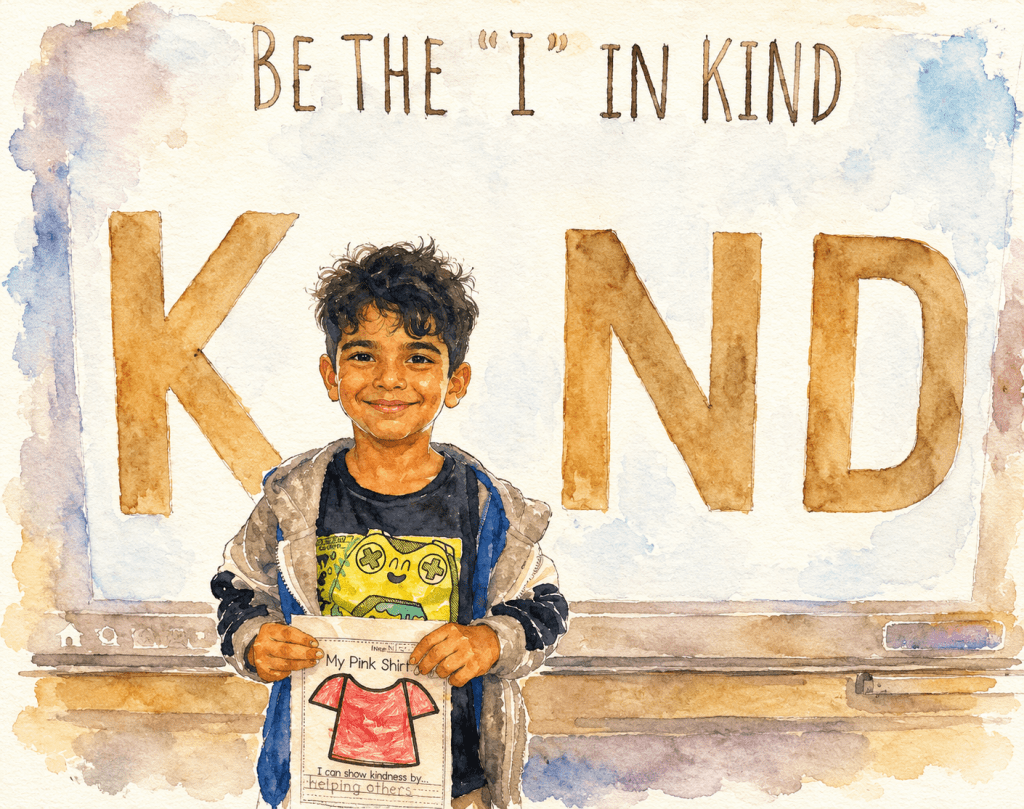
Fig. 5. “Convert provided image into a water colour sketch” prompt, OpenAI, 10 July. 2026, labs.openai.com/.
Learning how to be a good friend takes practice. By helping your son understand kindness, empathy, patience, and respect, you’re giving him the tools to build meaningful relationships that can last throughout his life.
 OnBeingaDad
Leave a comment